
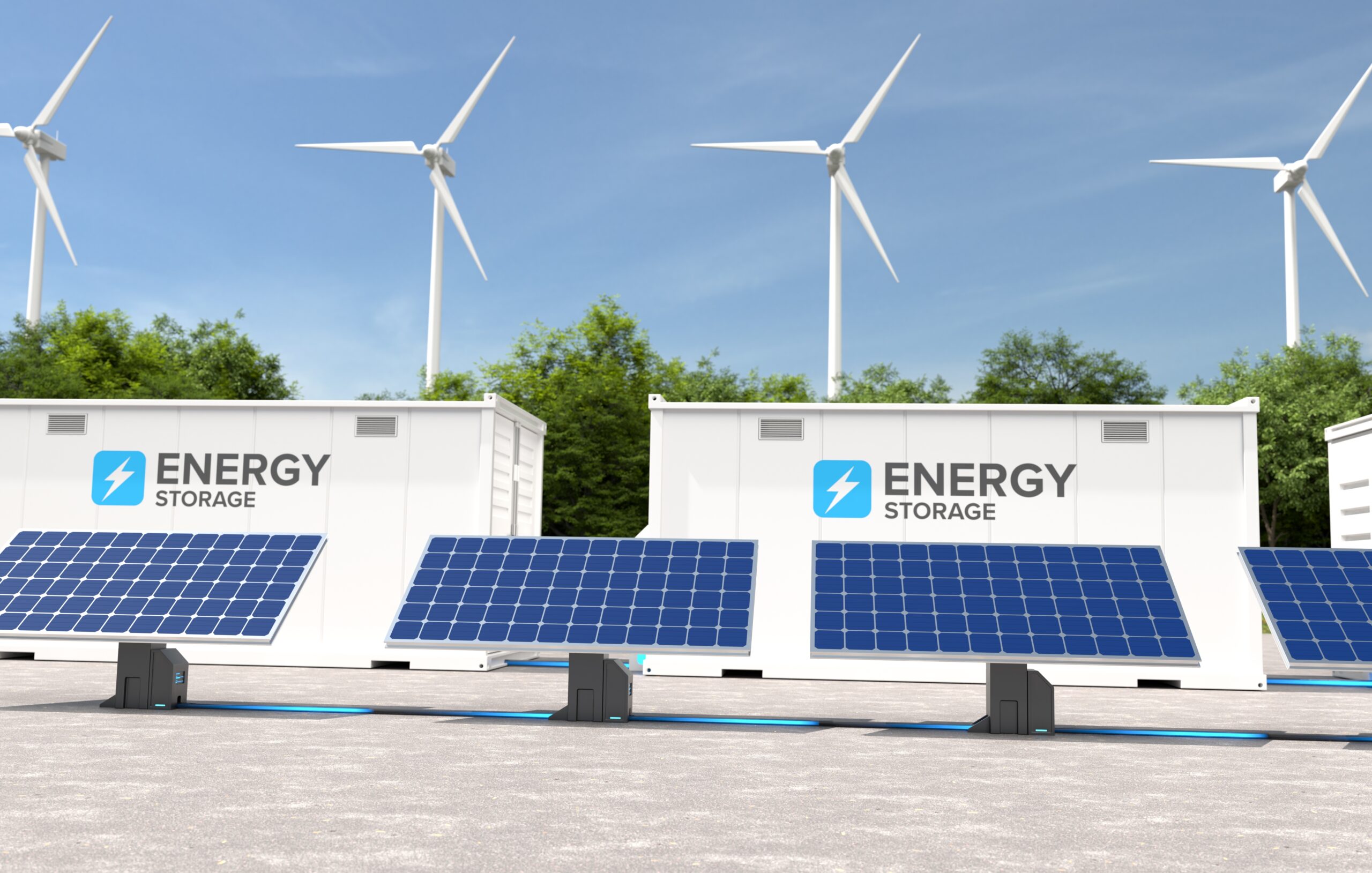
Each week, we curate and summarize key renewable energy developments to help energy users better understand how energy systems are evolving. This week’s insights focus on Canada’s near- and long-term renewable growth outlook, as well as broader trends shaping solar and energy storage adoption globally.
1. Canada’s Wind Power to Drive Renewable Growth Through 2030
Wind energy is expected to play a leading role in Canada’s renewable expansion over the remainder of this decade. According to the Canada Energy Regulator, wind power is projected to account for approximately 70% of Canada’s planned renewable capacity additions through 2030. Provinces such as Quebec, Alberta, and British Columbia are driving this growth through large-scale project development.
As new wind projects come online, renewables are forecast to make up a growing share of Canada’s electricity capacity, strengthening the country’s low-carbon power supply. Wind’s scalability and cost competitiveness make it well suited to meet rising electricity demand while supporting system reliability. Many projects also incorporate Indigenous participation, reflecting a more inclusive approach to clean energy development.
Why this matters:
Wind energy is becoming a cornerstone of Canada’s clean power system, supporting long-term reliability and emissions reduction while meeting future demand.
2. Canada’s Renewable Energy Capacity Could Double by 2035
Looking further ahead, industry outlooks suggest that Canada’s total renewable energy capacity — including wind, solar, and battery energy storage — could double by 2035. This growth is driven by rising electricity demand from electrification, digital infrastructure, and electric vehicle adoption.
Energy storage is expected to grow at the fastest pace, helping balance variability as renewable generation becomes a larger share of the energy mix. Rather than relying solely on new generation, future energy systems will increasingly focus on flexibility, demand management, and intelligent energy use. This long-term expansion highlights the importance of planning energy infrastructure with reliability and resilience in mind.
Why this matters:
As renewable capacity expands, energy storage and system flexibility become essential to maintaining reliable and efficient power systems.
3. Solar and Energy Storage Continue to Advance as Energy Systems Mature
Globally, the solar industry continues to expand, supported by rapid growth in energy storage deployment. While the pace of new solar installations has moderated compared with previous years, storage adoption has accelerated, allowing solar energy to be used more reliably beyond daylight hours.
Developers increasingly pair solar projects with battery storage to improve system performance and deliver electricity when demand is highest. This shift reflects a broader evolution in renewable energy markets — from simply adding capacity to building systems that prioritize reliability, flexibility, and long-term value. The growing role of hybrid solar-plus-storage solutions signals a more mature and resilient clean energy ecosystem.
Why this matters:
Solar combined with storage is becoming a standard approach for delivering dependable, low-carbon electricity.
Looking Ahead
Together, these developments point to a clear direction for energy systems: continued renewable growth supported by energy storage, long-term planning, and diversified generation. Understanding these trends helps homes and businesses make informed decisions as the energy transition accelerates.
Stay Connected
To stay informed on renewable energy trends and system developments:
👉 Connect with us on LinkedIn: Energiee Motion
References
-
Canada Energy Regulator
https://www.cer-rec.gc.ca/en/about/news-room/news-releases/2025/wind-power-drive-canada-renewable-energy-growth-through-2030.html -
Climate Tech Canada
https://news.climatetechcanada.ca/p/renewables-forecast-canada -
Financial Times
https://www.ft.com/content/0f0327f1-573a-4336-bed4-b08a5e04c6b3
